
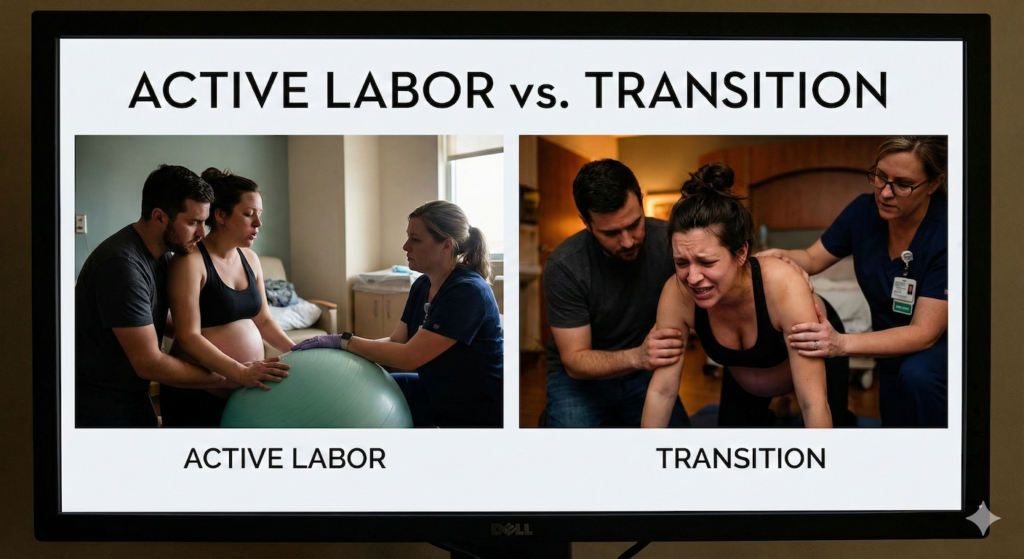
Childbirth is one of the most profound experiences in a person’s life, filled with anticipation, excitement, and a fair amount of confusion. Many expectant parents struggle to differentiate between the stages of labor, particularly the differences between active labor and transition, leading to uncertainty and anxiety. In this comprehensive guide, we will demystify these differences, equipping you with the knowledge to navigate these stages with confidence and ease.
Table of Contents
- Understanding Labor: A Brief Overview
- What is Active Labor?
- Understanding Transition
- Comparing Active Labor and Transition
- Conclusion
Understanding Labor: A Brief Overview
Labor is the process of childbirth, consisting of several stages: early labor, active labor, transition, and delivery. Recognizing each stage is crucial for effective birth planning and management. Initially, early labor begins with mild contractions and gradual cervical dilation. As you progress, you’ll transition from early labor to active labor, marked by more intense contractions and accelerated cervical changes.
Signs that indicate progression from early labor to active labor include stronger, more regular contractions and increased discomfort. Expectant parents may experience a range of emotions, from excitement to anxiety, as they move through these stages.
What is Active Labor?
Definition and Characteristics
Active labor is a critical phase of childbirth characterized by regular, intense contractions that facilitate cervical dilation from approximately 4 to 7 centimeters. This stage typically lasts anywhere from a few hours to several, depending on various factors like previous childbirth experience and individual physiology.
Physical Signs and Symptoms
During active labor, contractions become more intense, longer, and closer together, often lasting between 45 seconds to a minute with intervals of three to five minutes. Cervical dilation accelerates, which is crucial for the baby’s passage through the birth canal.
Emotional and Psychological Experience
The emotional aspect of active labor can be overwhelming. Many experience a mix of anxiety, excitement, and apprehension. Coping mechanisms such as breathing techniques, support from partners, and guidance from healthcare professionals can be invaluable. Consider these techniques for managing anxiety during labor.
Role of Medical Professionals
Medical professionals play a vital role during active labor by monitoring the mother’s and baby’s wellbeing, offering pain relief options, and supporting the birth plan. Clear communication with your healthcare team is essential to ensure that your preferences are respected and any necessary adjustments are made promptly.
Understanding Transition
Definition and Characteristics
Transition is the final phase of the first stage of labor, marking the shift from active labor to the delivery stage. It’s often the most intense part of labor, with contractions peaking in frequency and strength, while cervical dilation completes from 8 to 10 centimeters.
Physical Signs and Symptoms
During transition, contractions occur every two to three minutes and last up to 90 seconds. This stage may also bring about physical symptoms like shaking, nausea, and pressure in the lower back.
Emotional and Psychological Experience
Emotionally, transition can be challenging, with many experiencing doubt or fear. Having robust emotional support and maintaining focus through techniques like visualization and breathing exercises can be beneficial. You may find these tips for a smooth delivery transition phase helpful.
Role of Medical Professionals
Medical professionals continue to monitor both the mother and baby closely during this phase, preparing for the imminent delivery. They provide guidance on when to begin pushing and ensure that both the mother and baby remain safe and healthy.
Comparing Active Labor and Transition
Key Differences
The primary differences between active labor and transition involve contraction patterns, cervical changes, and emotional experiences. While active labor encompasses more regular contractions and gradual cervical dilation, transition involves more intense contractions and complete dilation. Emotionally, transition can be more demanding, requiring increased support and focus.
Why Distinguishing is Important
Understanding these distinctions is important for effective pain management and ensuring that your birth plan aligns with the evolving labor process. Making informed decisions and adjustments can lead to a more positive and empowered birthing experience.
Conclusion
In summary, understanding the differences between active labor and transition is essential for an empowered childbirth experience. Recognizing the unique characteristics of each stage, from contraction patterns to emotional shifts, can help you prepare and adapt your birth plan as needed.
Empowered with knowledge, expectant parents can face childbirth with greater confidence and assurance. We encourage you to share your experiences or questions in the comments below, and explore further resources or professional consultations for personalized guidance. For additional support during this time, consider reading about ways to support your partner during labor.
For more detailed information on labor stages and childbirth, visit reputable sources like the Mayo Clinic or the CDC.
2 thoughts on “The Ultimate Guide to Understanding the Differences Between Active Labor and Transition”