
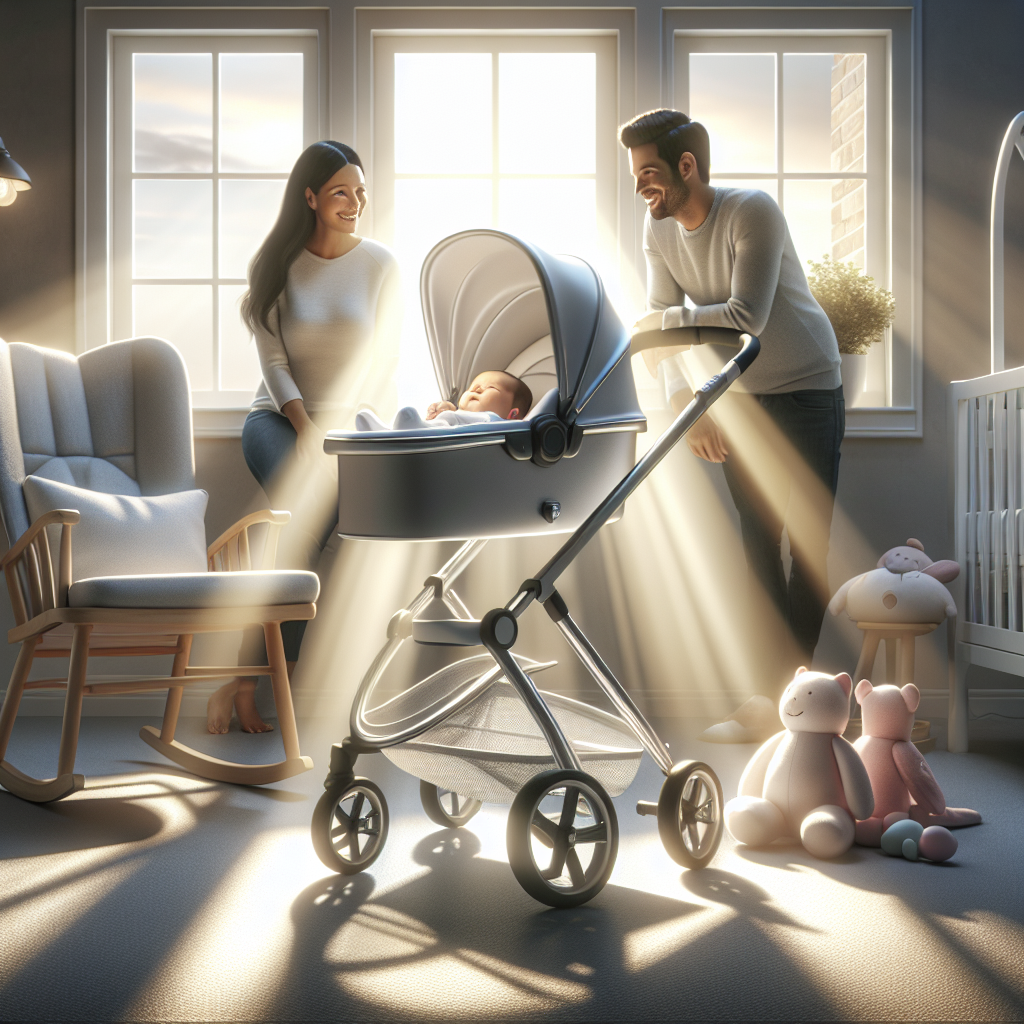
Introduction
Welcoming a newborn into your life is a joyous occasion, but it also comes with a plethora of decisions to make, one of the most crucial being how to safely transport your little one. With countless stroller options on the market, how do you ensure you’re choosing the safest one for your newborn? This comprehensive guide will walk you through everything you need to know about selecting the safest stroller, ensuring peace of mind as you and your baby embark on new adventures.
Understanding Safety Standards
Importance of Safety Standards
Safety certifications and standards are vital in ensuring that the strollers you consider are designed and manufactured to protect your precious cargo. Organizations such as the Juvenile Products Manufacturers Association (JPMA), the American Society for Testing and Materials (ASTM), and the Consumer Product Safety Commission (CPSC) set stringent guidelines and conduct rigorous testing to certify strollers. A certified stroller has passed numerous tests for safety features, durability, and toxic substances.
How to Verify
When shopping for a stroller, always look for a label indicating compliance with safety standards. This label is usually found on the stroller’s frame or packaging. Understanding these labels ensures that you’re investing in a product meeting the highest safety requirements.
Key Features to Look For in a Safe Stroller
Harness System
A robust 5-point harness system is crucial for keeping your baby securely in place. This system includes straps over the shoulders, around the waist, and between the legs, significantly reducing the risk of your child slipping out of the stroller.
Brake System
Different types of brake systems, such as foot brakes or hand brakes, play a vital role in stroller safety. Ensure the stroller you select has reliable brakes that are easy to engage and disengage, preventing the stroller from rolling away unexpectedly.
Stability and Balance
Stability is key in preventing tipping accidents. When assessing a stroller’s stability, check for a wide base and low center of gravity. These features help maintain balance and reduce the risk of the stroller tipping over, especially when navigating uneven terrains.
Material and Build Quality
Frame Construction
The frame’s material significantly impacts the stroller’s weight and durability. Aluminum frames are lightweight yet strong, making them easy to maneuver, while steel frames offer robust durability but can be heavier. Choose based on your lifestyle needs while ensuring the frame is sturdy.
Fabric Safety
Opt for strollers with non-toxic, flame-resistant fabrics that are easy to clean. These materials not only provide a safe environment for your newborn but also ensure that the stroller remains hygienic and long-lasting.
Size and Weight Considerations
Newborn-Specific Designs
For newborns, lightweight and compact strollers are often more suitable. They are easier to handle and transport, making them ideal for parents on the go. Ensure that the stroller design supports a reclining position, as newborns need to lie flat for optimal spine development.
Weight Limits
Adhering to weight limits is crucial for safety. Exceeding these limits can compromise the stroller’s stability and functionality, increasing the risk of accidents. Always check the manufacturer’s recommendations and ensure the stroller can support your child’s weight as they grow.
Additional Safety Features
Canopy and Sunshade
A high-quality canopy with UV protection is essential for shielding your baby from harmful sun rays. Look for adjustable canopies to ensure full coverage and protection during sunny outings.
Reflective Elements
Visibility is key, especially during evening strolls. Strollers with reflective elements enhance visibility, ensuring that you and your baby are seen by vehicles and cyclists, thus adding an extra layer of safety.
Practical Considerations
Ease of Use
Features like one-hand fold and adjustable handlebars not only make the stroller more convenient but also contribute to safety. They allow you to operate the stroller efficiently, keeping one hand free to attend to your baby.
Storage Options
Convenient storage options are essential for keeping the stroller balanced and organized. Ensure that the stroller has sufficient storage for baby essentials without compromising stability.
Customer Reviews and Recommendations
Reading Between the Lines
When examining customer reviews, focus on feedback related to safety features and real-world usage. Look for patterns in reviews that highlight consistent issues or praises.
Expert Recommendations
Consult trusted sources for stroller reviews and recommendations. Websites like Consumer Reports or the American Academy of Pediatrics can offer valuable insights into stroller safety and performance.
Budgeting for Safety
Cost vs. Safety
While it’s tempting to assume that a higher price equates to better safety, this isn’t always the case. Many affordable strollers meet all safety standards. Focus on features rather than price to ensure you’re getting a safe product.
Where to Invest
Invest in key areas such as a reliable harness and brake system. Spending a bit more here can enhance safety and provide peace of mind.
Conclusion
Choosing the safest stroller for your newborn involves prioritizing safety over aesthetics or convenience. By focusing on safety standards, key features, and practical considerations, you ensure a safe and comfortable ride for your little one. Take your time, do your research, and select a stroller that meets all safety requirements, allowing you to enjoy your new adventures confidently.
2 thoughts on “The Ultimate Guide to Choosing the Safest Stroller for Your Newborn”