Pregnancy is a journey filled with excitement and anticipation, but it also comes with its fair share of challenges, especially in the first trimester. One of the most daunting tasks is navigating the myriad of dietary restrictions. Expectant mothers often find themselves overwhelmed as they strive to ensure the health and safety of their developing baby. The good news is this comprehensive guide will help you identify the top 10 foods to avoid during your first trimester of pregnancy, giving you peace of mind and a healthier start to your pregnancy journey.
Table of Contents
- Raw or Undercooked Seafood
- Deli Meats and Processed Meats
- Unpasteurized Dairy Products
- High-Mercury Fish
- Raw Eggs
- Caffeine
- Unwashed Fruits and Vegetables
- Alcohol
- Artificial Sweeteners
- Junk Foods with High Sugar and Fat
1. Raw or Undercooked Seafood
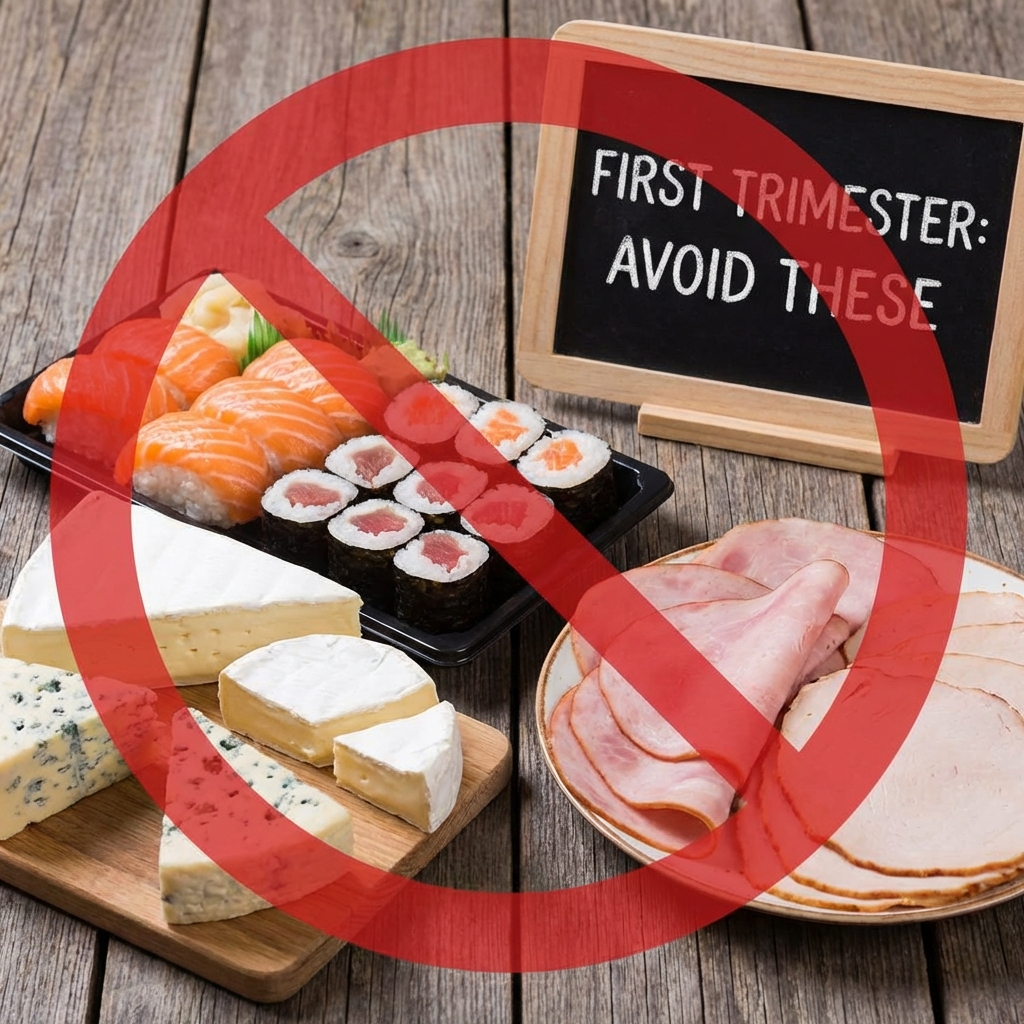
While seafood can be a healthy part of your diet, consuming it raw or undercooked during the first trimester can be risky. Such seafood is often a source of harmful bacteria and parasites like Listeria and Salmonella, which can cause infections detrimental to both you and your developing baby. Dishes like sushi, sashimi, and ceviche, despite being delicious, should be avoided.
Alternatives: Opt for cooked seafood options, such as grilled or baked fish, ensuring they are cooked at a safe temperature to eliminate potential risks.
2. Deli Meats and Processed Meats
Deli meats like ham, turkey, salami, and hot dogs can be contaminated with Listeria, a bacteria particularly harmful during pregnancy. Listeriosis can lead to severe complications, including miscarriage, stillbirth, or severe illness in newborns.
Alternatives: Choose freshly cooked meats or explore vegetarian protein sources like beans or lentils, which are both safe and nutritious.
3. Unpasteurized Dairy Products
Unpasteurized dairy products, such as certain cheeses (e.g., brie, feta, blue cheese) and raw milk, pose a risk of harboring harmful bacteria like Listeria and E. coli. These infections can have serious implications for pregnant women.
Alternatives: Always opt for pasteurized milk and cheese products to ensure safety while enjoying dairy’s nutritional benefits.
4. High-Mercury Fish
Mercury exposure from certain fish can adversely affect the developing nervous system of your baby. Species like shark, swordfish, king mackerel, and tilefish contain high mercury levels and should be avoided.
Alternatives: Incorporate low-mercury fish such as salmon, tilapia, and cod into your diet, which are rich in omega-3 fatty acids and beneficial for fetal development.
5. Raw Eggs
Raw eggs pose a risk of Salmonella infection, which can lead to symptoms like fever, vomiting, and diarrhea, impacting your health during this critical time. Avoid foods like homemade mayonnaise, hollandaise sauce, and raw cookie dough made with raw eggs.
Alternatives: Use pasteurized eggs or ensure eggs are thoroughly cooked before consumption.
6. Caffeine
While caffeine is a common part of many people’s daily routine, high intake during pregnancy has been linked to an increased risk of miscarriage and low birth weight. It’s crucial to monitor and limit your caffeine intake.
Alternatives: Limit caffeine consumption to 200 mg per day, roughly equivalent to one 12-ounce cup of coffee, or switch to caffeine-free alternatives like herbal teas.
7. Unwashed Fruits and Vegetables
Unwashed fruits and vegetables can expose you to Toxoplasma and harmful pesticides, posing risks to your pregnancy. Toxoplasmosis, for example, can lead to severe complications.
Alternatives: Always wash produce thoroughly before consumption and consider choosing organic options to minimize exposure to pesticides.
8. Alcohol
Alcohol consumption during pregnancy is associated with fetal alcohol syndrome and other developmental disorders. No amount of alcohol is considered safe during pregnancy.
Alternatives: Opt for alcohol-free beverages and mocktails to maintain social engagements without compromising your health or your baby’s development.
9. Artificial Sweeteners
Some artificial sweeteners, such as saccharin, cyclamate, and aspartame in large amounts, may not be safe during pregnancy. It’s important to be cautious with these additives.
Alternatives: Choose natural sweeteners like honey or maple syrup in moderation, or reduce overall sugar intake for a healthier diet.
10. Junk Foods with High Sugar and Fat
Junk foods, often high in sugar and fat, offer poor nutritional value and can lead to excessive weight gain during pregnancy. Foods like candy, chips, and fast food should be limited.
Alternatives: Focus on nutrient-dense snacks such as nuts, fruits, and whole grains to support both your health and your baby’s development.
Conclusion
In summary, avoiding specific foods during your first trimester is crucial to protect both your health and the development of your baby. By making informed dietary choices, you can embrace this exciting journey with confidence, ensuring a healthy start for your little one. For further insights on maintaining a healthy pregnancy, you might find our guide on 7 Proven Reasons Why Folic Acid is Essential for a Healthy Pregnancy useful.
Share this guide with other expectant mothers and join a supportive community to exchange tips and experiences. Together, we can navigate the journey of pregnancy with knowledge and care.
2 thoughts on “The Ultimate Guide: 10 Foods to Avoid During Your First Trimester”