
The transition phase of labor is often described as the most intense yet shortest part of childbirth. Understanding what to expect during the delivery transition phase can make all the difference. For many expectant mothers, this stage can bring about anxiety, potentially leading to stress and complications. However, by equipping yourself with the right knowledge and tools, you can navigate this phase smoothly, ensuring both comfort and confidence. In this blog post, we’ll discuss seven proven tips to help you through this crucial part of labor.
Table of Contents
- What Is the Transition Phase of Labor?
- 1. Understand the Signs of the Transition Phase
- 2. Breathing Techniques to Manage Discomfort
- 3. The Importance of a Strong Support System
- 4. Positions and Movements to Ease Labor
- 5. Staying Hydrated and Nourished
- 6. Mental Preparation and Visualization
- 7. Communicate with Your Medical Team
What Is the Transition Phase of Labor?
The transition phase of labor is the pivotal stage between the first and second stages of childbirth. It marks the final part of the first stage, where the cervix dilates from 7 to 10 centimeters. This phase is significant due to its intensity, characterized by strong contractions that prepare the body for the delivery of the baby. Though the transition phase is more intense than earlier stages, it is usually shorter, lasting about 30 minutes to two hours.
1. Understand the Signs of the Transition Phase
Recognizing the onset of the transition phase can help you prepare mentally and physically. Common physical signs include strong, frequent contractions, pressure in the pelvic area, and a feeling of discomfort. Emotionally, you may feel overwhelmed or irritable. Being aware of these signs allows you to brace for the intensity and utilize coping strategies effectively.
2. Breathing Techniques to Manage Discomfort
Breathing techniques are invaluable for managing pain and stress during the transition phase. Techniques such as deep breathing, patterned breathing, and the “pant-pant-blow” method can help. Here’s a simple guide to deep breathing: Inhale deeply through your nose, hold for a few seconds, then exhale slowly through your mouth. These techniques not only reduce pain but also help maintain focus and calmness.
3. The Importance of a Strong Support System
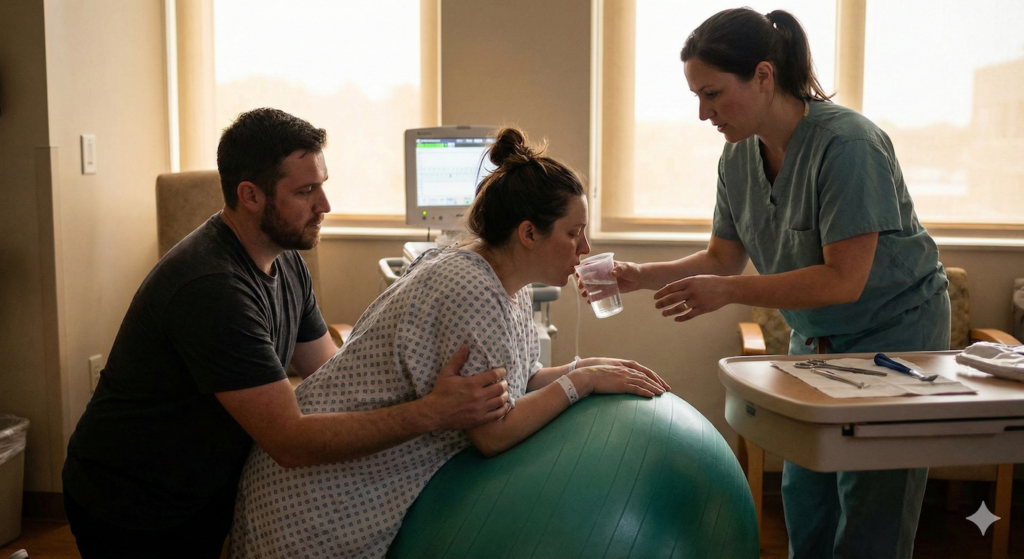
A strong support system, including partners, doulas, and medical staff, plays a crucial role during the transition phase. Their presence can provide emotional support, assist with physical comfort measures, and ensure your birth plan is followed. A supportive environment can significantly enhance your birthing experience, making it more positive and empowering.
4. Positions and Movements to Ease Labor
Adopting different labor positions and movements can facilitate a smoother transition phase. Positions such as squatting, leaning forward, or using a birthing ball can help. Staying active and changing positions can aid in pain relief and help the baby move into the optimal position for delivery. Always ensure movements are safe and within your comfort zone.
5. Staying Hydrated and Nourished
Maintaining hydration and energy levels during labor is essential. Sipping water or electrolyte drinks can keep you hydrated, while light snacks like fruits or energy bars provide necessary nutrients. The Mayo Clinic emphasizes the importance of hydration for maintaining stamina during labor (source: Mayo Clinic).
6. Mental Preparation and Visualization
Techniques such as visualization and positive affirmations can provide mental strength during the transition phase. Visualizing a positive birth experience and repeating affirmations like “I am strong and capable” can boost confidence. Many mothers have found success using these techniques, reporting a more empowered and focused birthing experience.
7. Communicate with Your Medical Team
Open communication with your healthcare providers is essential during the transition phase. Discuss your birth plan, preferences, and any concerns you may have. Effective communication ensures that your needs are met and any medical interventions are thoroughly explained. According to the NIH, patient-provider communication is crucial for a positive birth outcome (source: NIH).
Conclusion
Understanding what to expect during the delivery transition phase is vital for a smoother and more confident experience. By using these seven tips, you can navigate this intense yet short phase with greater ease. Remember, you possess the strength and capability to bring your baby into the world. Embrace the journey with confidence and trust in your abilities.
3 thoughts on “7 Proven Tips for a Smooth Delivery Transition Phase”