
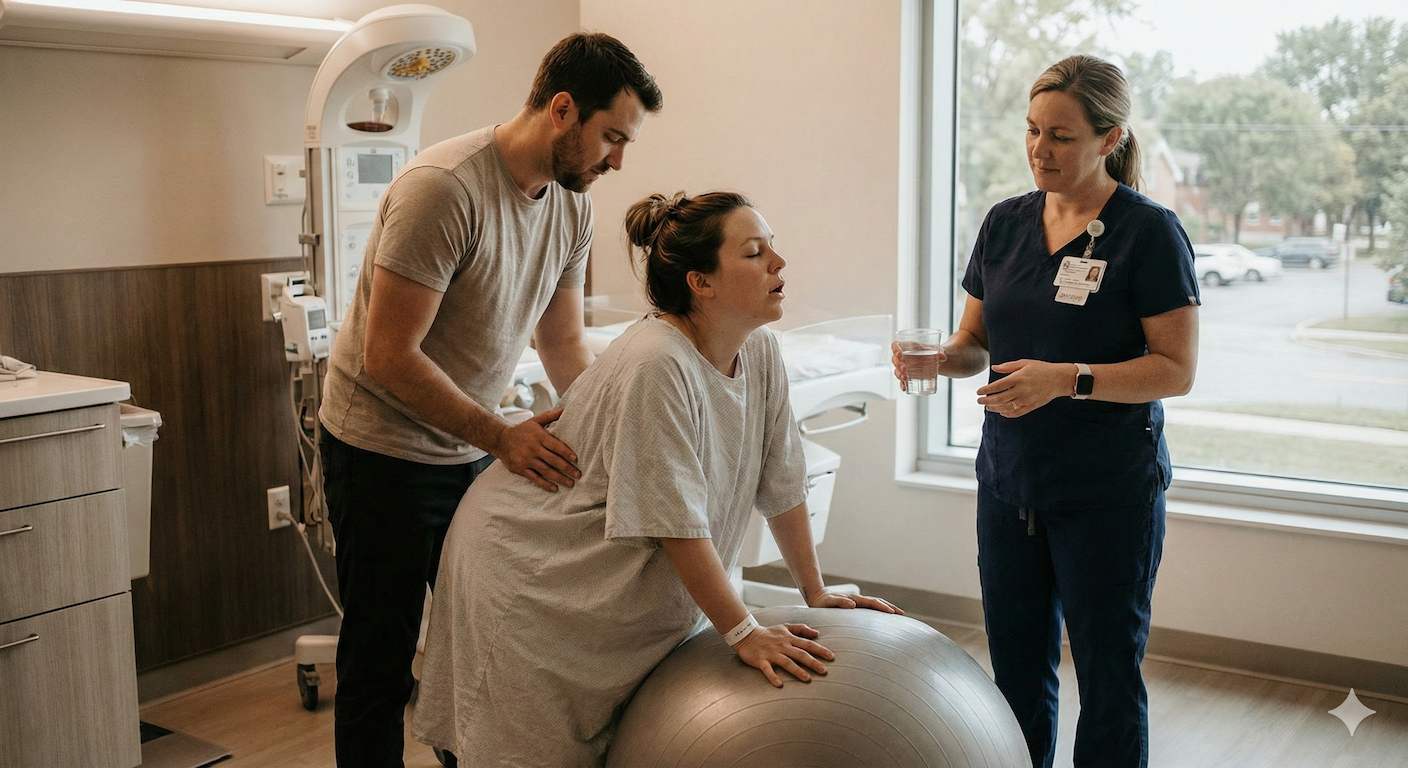
Welcoming your little one into the world is a monumental experience, but the thought of labor pain can be daunting. Many expecting parents are concerned about the intensity of labor pain and the potential side effects of medical pain relief. Fortunately, there are natural pain relief methods during labor that can help alleviate discomfort, allowing for a more holistic birthing experience.
Understanding Natural Pain Relief Methods
Natural pain relief methods during labor involve non-medical techniques to manage discomfort and pain. Unlike medical interventions, these methods emphasize minimal invasiveness and focus on harnessing the body’s natural abilities to cope with pain.
The benefits of opting for natural methods include fewer side effects and a more personalized birthing experience. This approach allows expecting parents to remain more in control and engaged with the process of childbirth.
Method 1: Breathing Techniques
Breathing techniques, such as Lamaze or patterned breathing, are essential tools for managing labor pain. These techniques promote relaxation and help control pain by focusing on rhythmic breathing patterns.
Controlled breathing can significantly reduce pain perception and keep you calm during contractions. Regular practice of these techniques can enhance their effectiveness during labor.
Tips for Practicing Breathing Techniques
- Practice deep breathing exercises throughout your pregnancy.
- Focus on slow, deep breaths during contractions.
- Consider joining a prenatal class to learn and practice these techniques.
Method 2: Water Therapy
Water therapy, including warm baths or the use of birthing pools, can provide significant relief during labor. The buoyancy of water supports the body, while the warmth relaxes muscles and reduces pain perception.
This method can be particularly soothing, offering a gentle, calming environment that allows you to focus on the birthing process.
Safety and Tips for Water Therapy
- Ensure the water temperature is comfortable and not too hot.
- Consult with your healthcare provider about the best time to use water therapy during labor.
- Consider incorporating water therapy into your birth plan.
Method 3: Massage and Counterpressure
Massage and counterpressure are highly effective in alleviating labor pain. These techniques involve applying pressure to specific areas of the body to reduce tension and provide comfort.
Physical touch can be incredibly reassuring, helping to release endorphins, the body’s natural painkillers.
Engaging Your Support Team
- Have your birth partner or doula trained in massage techniques.
- Experiment with different levels of pressure to find what feels best.
- Use oils or lotions to enhance the massage experience, ensuring they are safe for use during labor.
Method 4: Movement and Positioning
Staying active and changing positions during labor can greatly impact pain levels and labor progress. Movement helps facilitate the baby’s descent and can make contractions feel more manageable.
Exploring various positions allows you to find the most comfortable and effective ways to cope with contractions.
Recommended Positions and Movements
- Try swaying, walking, or bouncing on a birthing ball.
- Experiment with upright positions like squatting or standing.
- Consider leaning forward or getting on all fours to relieve back pressure.
Method 5: Hypnobirthing
Hypnobirthing is an approach that uses relaxation and visualization techniques to prepare for labor. This method focuses on reducing anxiety and pain through mental preparation, helping you maintain a positive mindset.
By practicing hypnobirthing, you can create a calm and focused environment, significantly enhancing the birthing experience.
Resources for Hypnobirthing
- Consider enrolling in a hypnobirthing course for guided instruction.
- Use audio tracks or scripts to practice visualization and relaxation at home.
- Read books or join online communities for additional support and tips.
Method 6: Acupressure and Acupuncture
Acupressure and acupuncture are traditional practices that can be used to manage labor pain. By stimulating specific points on the body, these techniques promote relaxation and reduce discomfort.
These practices offer a holistic approach to pain management, making them a popular choice for many expecting parents.
Finding Practitioners and Safe Practices
- Seek qualified practitioners with experience in maternity care.
- Learn about pressure points that can be safely used during labor.
- Discuss these options with your healthcare provider beforehand.
Method 7: Aromatherapy
Aromatherapy involves using essential oils to create a calming and soothing environment during labor. Scents like lavender or chamomile can help ease tension and stress, providing a comforting atmosphere.
This method is simple yet effective, offering a natural way to support relaxation and focus.
Guidelines for Aromatherapy
- Use a diffuser or add a few drops of essential oil to a tissue or cloth.
- Ensure the oils are pure and safe for use during labor.
- Test oils before labor to ensure you find the scents pleasant and calming.
In conclusion, natural pain relief methods during labor can significantly enhance the birthing experience. By exploring these options, expecting parents can find techniques that resonate with them, offering comfort and empowerment during labor. If you’re interested in learning more, consider attending birthing classes or reading resources like 7 Proven Techniques for Managing Anxiety During Labor. We invite you to share your experiences or questions in the comments below.